What Is Roof Decking and Why Is It Important?
A strong roof needs more than shingles, metal panels, or waterproof materials. It also needs a solid base underneath. This base is called roof decking, and it plays an important role in keeping a building safe. Roof decking supports the roofing materials and helps spread their weight across the building's structure. If this layer becomes weak or damaged, it can affect the entire roof.
For property owners, understanding this part of the roof can make repairs and replacements easier to plan. Whether you own a home, office, or warehouse, knowing how the system works can help you spot problems early.
In this guide, we will explain what roof decking is, the common materials used, how it works, and when replacement may be needed. You can also learn about roofing solutions from Waters Roofing Georgia.
What Is Roof Decking?
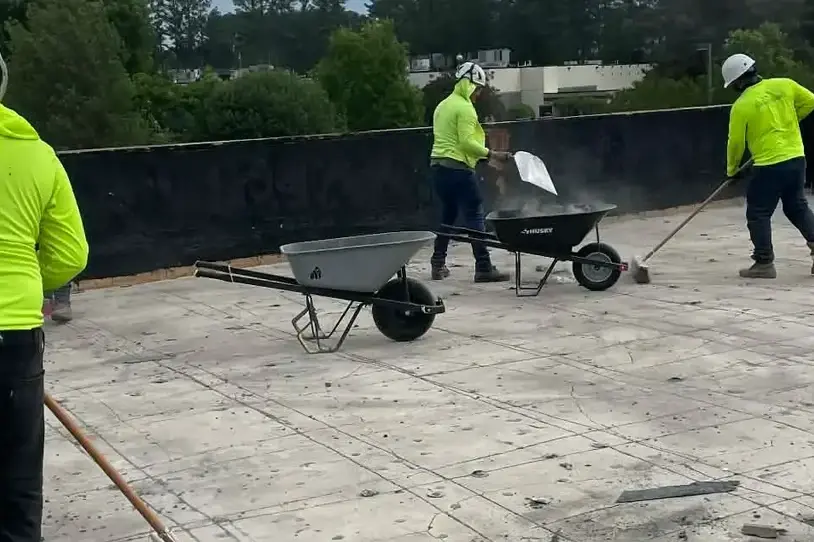
Roof decking is the layer installed over the main roof structure and beneath the roofing materials. It creates a firm surface for the rest of the roofing system. In most homes, this layer is made from plywood or oriented strand board (OSB). Larger commercial buildings may use steel or concrete instead.
For example, a warehouse with a flat roof may have steel panels as its base. A house with a sloped roof may use wooden sheets.
The material depends on the building's size, design, and structural needs.
Why Is Roof Decking Important?
The roof's supporting layer does several important jobs. Without it, roofing materials may not have the support they need.
1. Supports the Weight of the Roof
Every roof must carry different loads, including roofing materials, workers, and rainwater. A properly designed deck helps transfer these loads to the building's supporting structure. This keeps the roofing system stable.
2. Provides a Strong Surface
Roofing materials need a suitable base for installation.
For example, shingles are attached to wooden panels. Commercial roofing systems may have insulation and waterproof membranes installed over metal or concrete.
A strong surface allows these materials to be installed correctly.
3. Helps Protect the Building
The deck works with other roofing layers to keep the system stable. Although it is not the main waterproof barrier, a properly installed deck supports the materials that protect the building from rain and other weather conditions.
4. Supports Long-Term Performance
A roof is only as reliable as the structure beneath it. Damaged or weak panels can create problems for the materials above them. Keeping this base in good condition helps the entire system work as intended.
Different Types of Roof Decking
There are several types of roof decking used in residential and commercial buildings. Each material has different benefits and limitations.
1. Plywood
Plywood is made by joining several thin layers of wood together. It is strong, easy to work with, and commonly used in residential construction. It also provides a good surface for attaching roofing materials. However, long periods of moisture exposure can cause damage.
2. Oriented Strand Board (OSB)
OSB is made from small wood strands pressed and bonded together. It is often less expensive than plywood, making it a common choice for homes. OSB can provide reliable support when installed correctly. However, it may swell when exposed to too much moisture.
3. Metal
Metal roof decking is widely used in commercial and industrial buildings. It usually consists of shaped steel panels that provide strength while covering large areas. Warehouses, offices, and factories often use this material. Proper protection against rust is important for its long-term performance.
4. Concrete
Concrete is another common choice for large commercial buildings. It creates a strong surface and offers good fire resistance. However, concrete is heavy, so the building must be designed to support its weight.
Roof Decking Material Comparison
Material | Common Use | Main Concern |
Plywood | Homes and small buildings | Water damage |
OSB | Residential roofs | Moisture and swelling |
Steel | Commercial buildings | Rust and corrosion |
Concrete | Large buildings | Heavy structural weight |
Choosing the right roof decking material depends on the building design, roof type, budget, and local construction requirements.
Roof Decking vs Sheathing: What Is the Difference?
Many property owners wonder about roof decking vs sheathing because the two terms are often used in the same way. In residential roofing, both usually refer to the panels installed over the roof framing. However, the term roof deck has a wider meaning in commercial construction. It can describe a structural surface made from wood, steel, or concrete.
For example, plywood sheathing is a type of roof deck. However, a concrete roof deck would not usually be called plywood sheathing.
The main difference in roof decking vs sheathing comes down to how the terms are used for different buildings and materials.
How Is Roof Decking Installed?
The installation process depends on the material and the building structure. However, most projects follow a few main steps.
Step 1: Inspect the Roof Structure
Before installation, the contractor checks the roof framing and building plans. The supporting structure must be suitable for the selected materials.
Step 2: Place the Panels
Workers install the selected panels or structural sections over the roof supports. Wood, steel, and concrete each require different installation methods.
Step 3: Secure the Material
The deck must be properly attached to the structure. Workers check the connections, spacing, and alignment to make sure everything meets the approved design.
Step 4: Install the Roofing Layers
Once the base is ready, workers install the required roofing materials. These may include insulation, waterproof membranes, or other protective layers.
For larger buildings, the process may require special equipment and planning. Professional commercial roofing services in Georgia can help property owners understand the installation requirements for their buildings.
Signs of Damaged Roof Decking
Most property owners cannot see the deck because roofing materials cover it. However, some warning signs may point to problems underneath.
1. Water Stains
Brown stains on ceilings or walls may indicate a roof leak. Water entering the roof system can eventually damage the supporting materials.
2. Sagging Areas
A roof that appears uneven or sagging may have damaged decking or a problem with its supporting structure.
3. Rotting Wood
Wood can become soft or weak after long periods of moisture exposure.
4. Rust on Steel
Metal panels may develop corrosion when exposed to water. Serious rust can reduce their strength.
5. Loose Roofing Materials
Damaged supports may affect how well roofing materials stay attached. These signs do not always mean the deck needs replacement. A professional inspection can help
identify the actual problem. Avoid walking on any roof that appears weak or unsafe.

When Is Replacing Roof Decking Necessary?
Replacing roof decking may be needed when the existing material is too damaged to support the roofing system safely. Minor damage may only affect a small section. In other cases, serious rot, corrosion, or structural problems may require larger repairs. Before starting work, the contractor should identify the cause of the damage.
For example, replacing damaged wood without fixing an active leak may allow the same problem to happen again.
How Does Replacement Work?
The process usually involves:
Inspecting the damaged area.
Removing the roofing materials above it.
Checking the exposed structure.
Taking out damaged sections.
Installing suitable replacement materials.
Restoring the roofing system.
The exact process depends on the type of building and the extent of the damage.
If large areas are affected, property owners may need to consider commercial roof
replacement services rather than a small repair.
How to Protect Your Roof Deck From Damage
Regular care can help reduce problems that affect the supporting structure.
Here are some useful steps:
Repair leaks early: Water can damage wood and cause metal to rust.
Keep drains clear: Blocked drains may cause water to collect on flat roofs.
Check after storms: Strong winds and heavy rain can damage protective roofing materials.
Watch for moisture: Damp ceilings and walls can indicate water entering the building.
Schedule inspections: Regular roof checks may help identify problems before they become serious.
Property owners should also avoid placing heavy equipment on a roof without confirming that the structure can safely support it.
What Is a Deck Roof?
The phrase deck roof can mean different things depending on the project. In roofing work, some people use it to describe the structural base beneath the roofing system. However, the term may also refer to a roof built over an outdoor deck or a rooftop area designed for people to use. These are different structures.
A regular roof is not always designed for people to gather on it. A rooftop living space needs extra planning, suitable waterproofing, and safety features.
Conclusion
Roof decking is an important part of a building's roofing system. It provides support, helps maintain stability, and creates a base for the materials above it. Different buildings need different materials. Plywood and OSB are common in homes, while steel and concrete are often used in commercial construction.
Water damage, rust, and structural problems can weaken the deck over time. Regular inspections and early repairs can help reduce these risks. Understanding how this hidden layer works makes it easier to plan roofing projects and protect your property.
Frequently Asked Questions
1. What is roof decking made of?
Roof decking can be made from plywood, OSB, steel, or concrete. Plywood and OSB are common in homes, while steel and concrete are often used in larger commercial buildings. The right material depends on the building's design, structural needs, and roofing system.
2. Is roof decking the same as roof sheathing?
In many homes, both terms describe the same layer of wood panels installed over roof framing. However, commercial roof decks may also be made from steel or concrete. The meaning depends on the building and the materials being used.
3. How long does a roof deck last?
There is no fixed lifespan for every roof deck. Its condition depends on the material, installation, moisture exposure, and maintenance. A properly protected deck can remain useful for many years, while leaks and water damage may shorten its life.
4. Can damaged decking be repaired without replacing the whole roof?
Yes. Sometimes only the damaged sections need replacement. However, workers may need to remove the roofing layers above those areas. The repair method depends on the type of material and how much damage has occurred.
5. What is the best material for commercial roof decking?
Steel and concrete are common choices for commercial buildings, but neither is best for every project. Steel is widely used in warehouses and offices, while concrete is suitable for many larger structures. The right choice depends on the approved building design.
6. Can damaged roof decking cause leaks?
Damage to the deck can affect the roofing system, but leaks usually start when water passes through damaged roofing materials or details. The water may then reach the supporting layer. Fixing the source of the leak is important before repairing the damage.